The smallest independent unit in the British Army
Popski’s Private Army was raised in Cairo in October 1942 around one Belgian-born engineer, a handful of jeeps and a talent for working behind the lines. It fought from the Libyan desert to the Venetian lagoon, and it was the last and smallest of the three irregular units born in the North African campaign, after the Long Range Desert Group and the SAS.
This site tells that story from the documents, and says plainly where it rests on one man’s memoir.
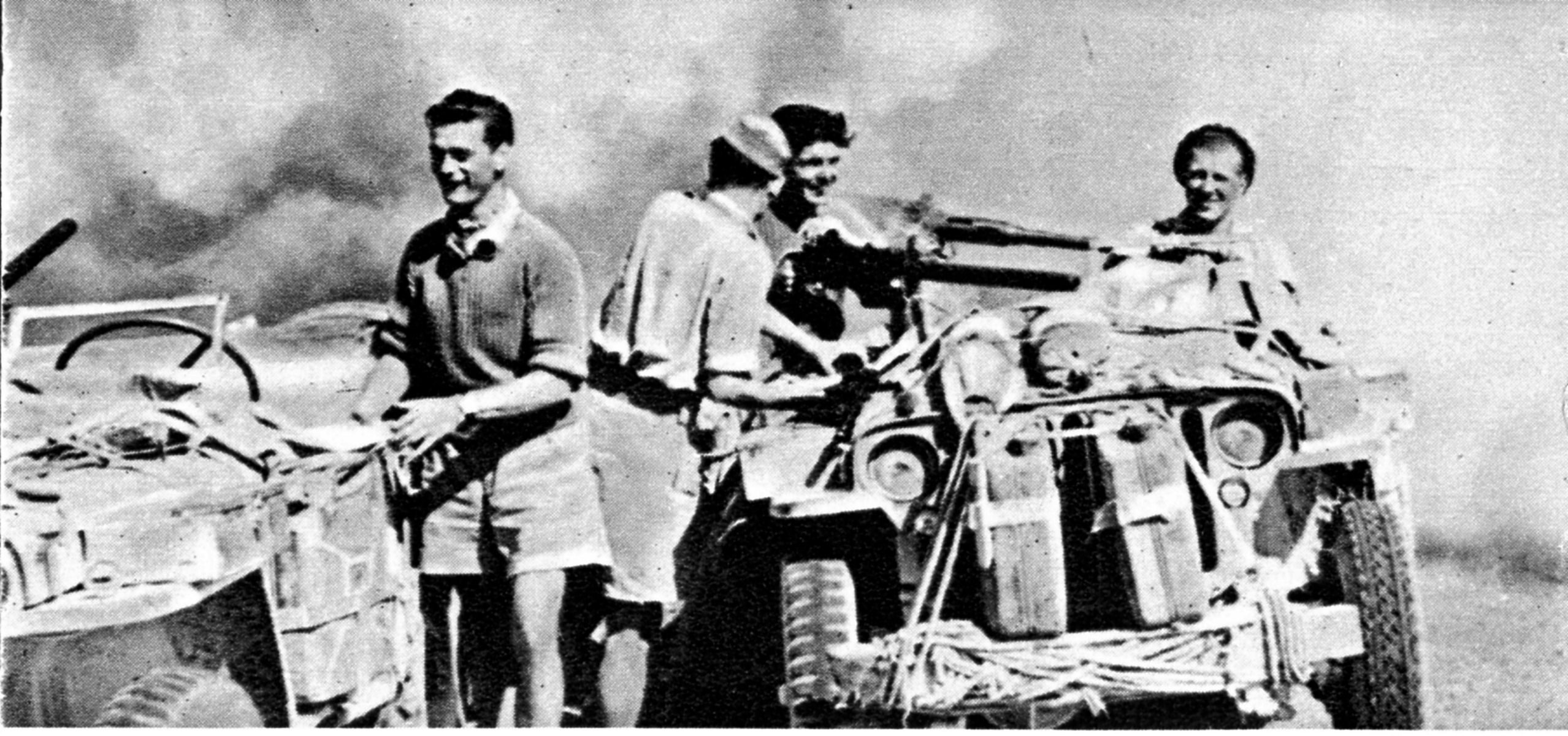
Who were Popski’s Private Army?
PPA was a British special-forces unit of the Second World War, officially No. 1 Demolition Squadron, commanded by Lt-Col Vladimir “Popski” Peniakoff DSO MC. It grew out of the Libyan Arab Force Commando, worked in deep reconnaissance and raiding in Libya and Tunisia, then spent 1943–45 in Italy with armed jeeps, Italian partisans and, at the end, its own small flotilla of boats.
It never saluted, never drilled, and had one punishment: return to your old unit.
Start here
Six ways into the story, depending on why you came.
Who were they?
How the unit was raised, organised and named, and how it differed from the LRDG and the SAS.
The unit →Popski
Vladimir Peniakoff: Belgian-born, Cambridge-educated sugar engineer, and at 42 perhaps the oldest second lieutenant in the Army.
The man →North Africa
The Libyan Arab Force Commando, the Barce raid of September 1942 and the push into Tunisia.
1942–43 →Italy
The partisan year, Porterforce and Ravenna, Comacchio, and the last drive to the Po and Venice.
1943–45 →The men
Officers, patrol commanders and NCOs, searchable by name, with parent regiment and sources.
Members →Books & records
The three memoirs, the one biography, and where the archives are held.
Resources →1942 – 1945 at a glance
Not an ordinary unit
PPA took volunteers from the LRDG, the SAS, the Commandos and the armoured regiments, plus a few men from regimental guardrooms. Popski chose them himself, and he looked for men who had not fitted in elsewhere. British, French, Belgian, South African, New Zealand and Arab soldiers all served in it.
Every recruit gave up his rank to join: officers dropped to lieutenant, other ranks to private. After that, the unit ran on trust rather than drill.
How the unit worked →1. No saluting.
2. No drill.
3. Officers and men live and mess together.
4. One punishment only: immediate return to your old unit.
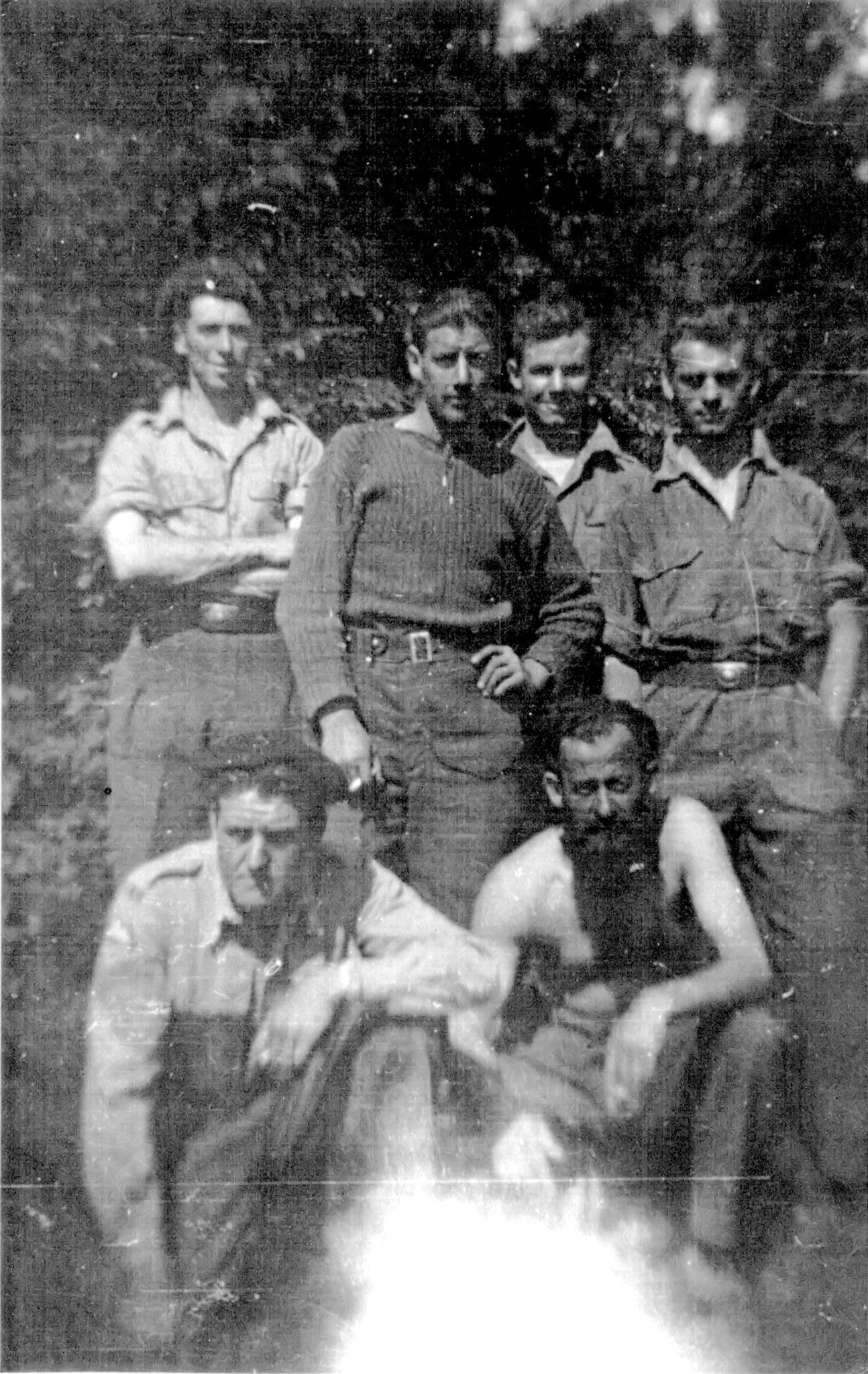
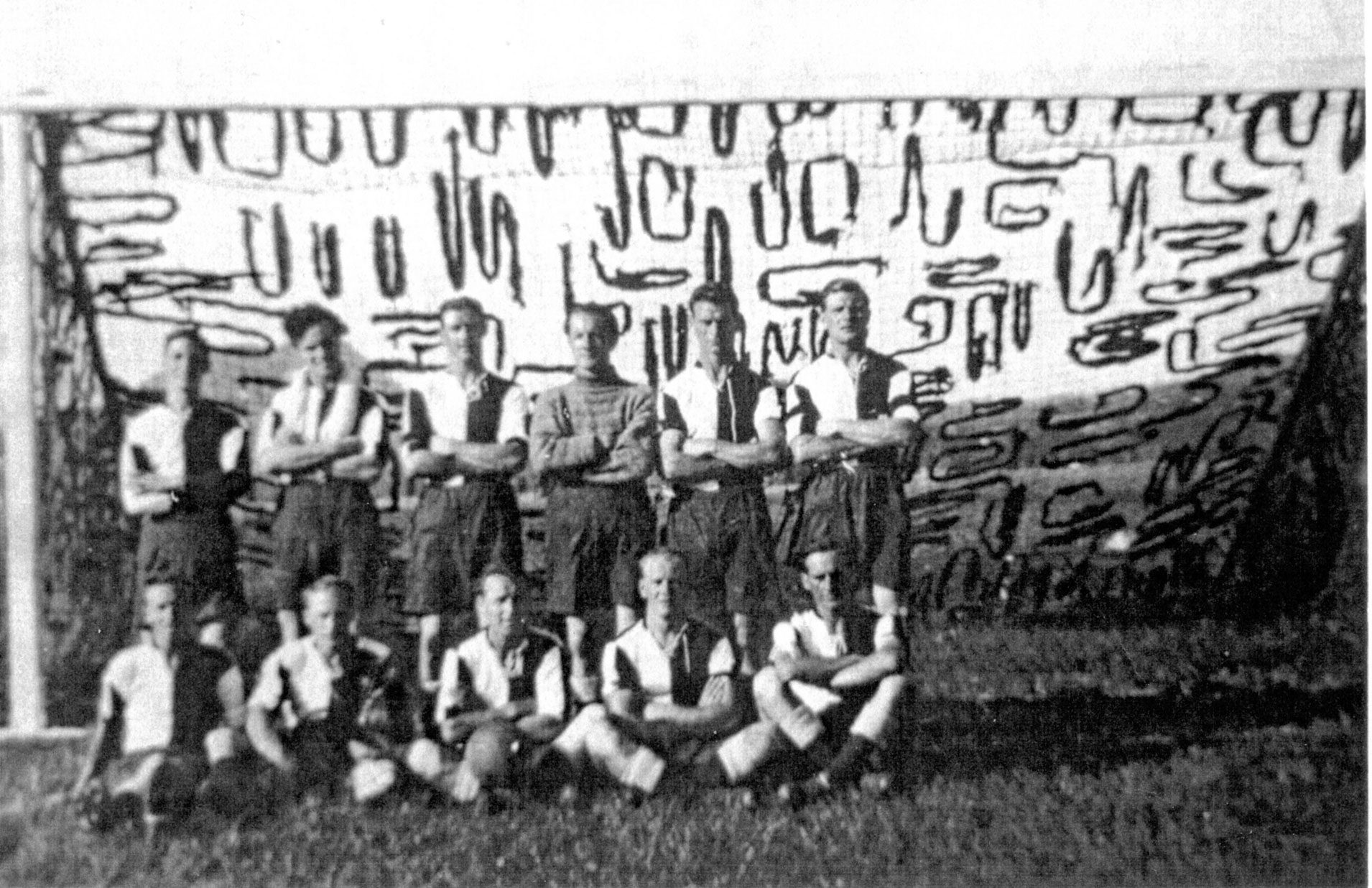
Photographs Courtesy of The Estate of Sgt Bill O’Leary MM.
Commonly repeated. Not true.
One memoir, and the documents around it
Much of what is known about PPA comes from Peniakoff’s own book, Private Army (1950). Most pages online, Wikipedia included, trace back to it. Where the award recommendations, the London Gazette and the archive catalogues say more, or say something different, we go with the document and say so.
Backed by an official or contemporary record, cited by reference: an award recommendation, a Gazette entry or a catalogue record.
Rests on a single account, usually the memoir. We publish it with that caveat attached.
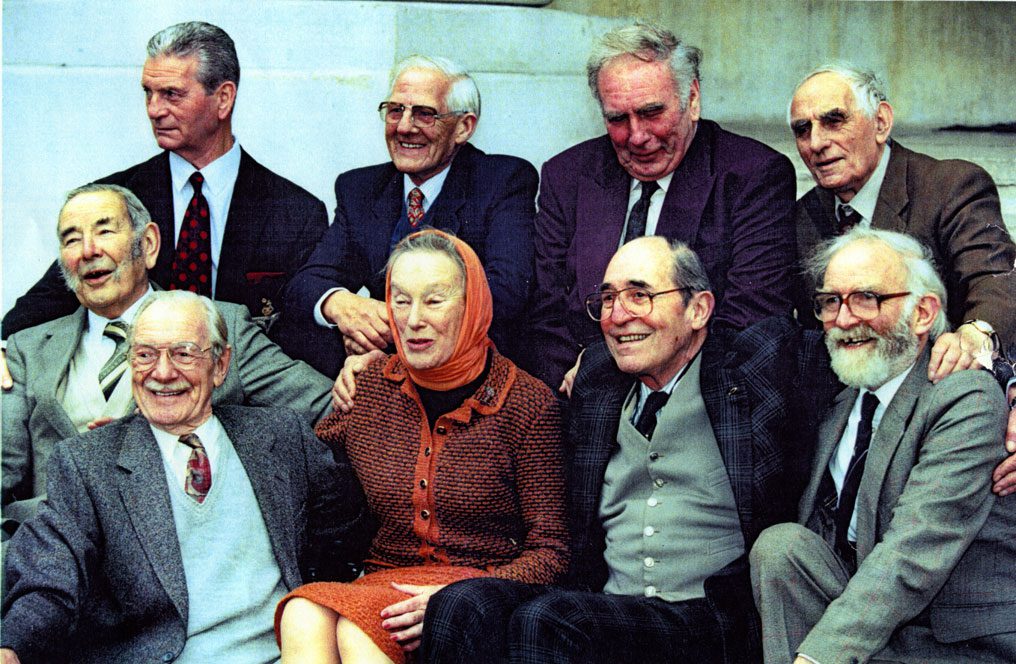
Is your family part of this story?
The men of PPA kept meeting for fifty years after the war. Many of their photographs, letters and medals are still with their families. If a relative served with No. 1 Demolition Squadron, we would like to hear from you. Everything shared is credited, and the originals stay with you.
Share a photograph or record